Gear Doesn’t Matter (But It Does)
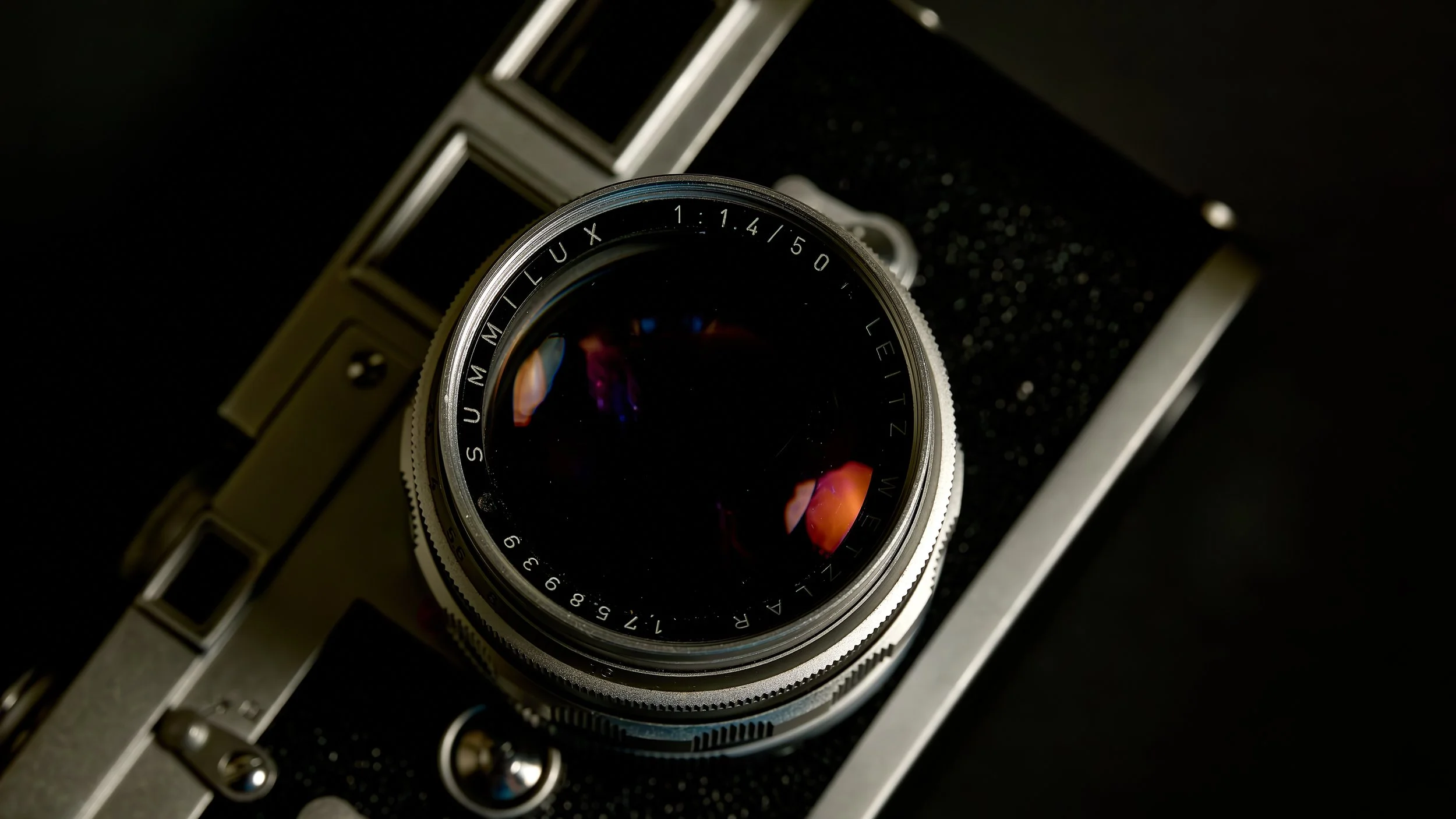
I woke up today and I think I need to call myself out on the fact that a lot of my own content lately has been a little too heavy in relation to the tools used versus the experience and the result of using them. There is seemingly always a conversation of photography gear matters, or doesn't matter, depending on the source. I bought my first camera with the intent to give this hobby/financial drain/obsession a try around a decade ago and have utilized three different systems over the course of that time. If I were able to go back in time to that young, less educated and less experienced version of myself holding his first camera, a Panasonic G7, and informed him that one day he would be neck deep in collecting Leica lenses and cameras worth considerably much more investment, I would have thought myself batshit crazy. But here we are in October of 2026 in full free fall off that cliff accepting my fate and also looking back with a bit of cynicism and laughter.
Gear matters. But it doesn’t. Why?
If there is one lesson taught/handed down and just learned through outright life experience in relation to all things purchased or acquired that I can impart on you, it’s this: Buy once, cry once.
A lot of us are not in that boat, and you also do not see me driving a Rolls Royce or Mercedes G class, but I will say in nearly all of my adventures in acquiring hobbies and building things, investing in good tools that last a lifetime is something I have never really regretted. First of all, they work, usually very well. They also tend to hold their value, as those in the know really know. If you do decide to part ways, chances are you are able to not suffer a complete loss and thus “rent” the tool. Also, if you are like me a bit, you tend to collect these things and they can very much be an heirloom item.
This is my point or maybe own justification. The brand is irrelevant but the quality of the product should speak for itself. Nearly all camera manufactures make similar bodies for everything that does actually matter today. Lenses are pretty much in the same category but each one has its own signature. Here is my chance to provide some wisdom, if I have any. 99% of all viewers will not be able to tell the difference of what aperture or camera or lens you use in any photograph you take. It’s almost guaranteed the last thing on their mind. That being said, I would argue that you really only need one, maybe two lenses that are “character” lenses in a complete kit. After that, it’s just collecting. And that is okay. It’s okay to be an enthusiast and collect, but just be honest with yourself and others about it.
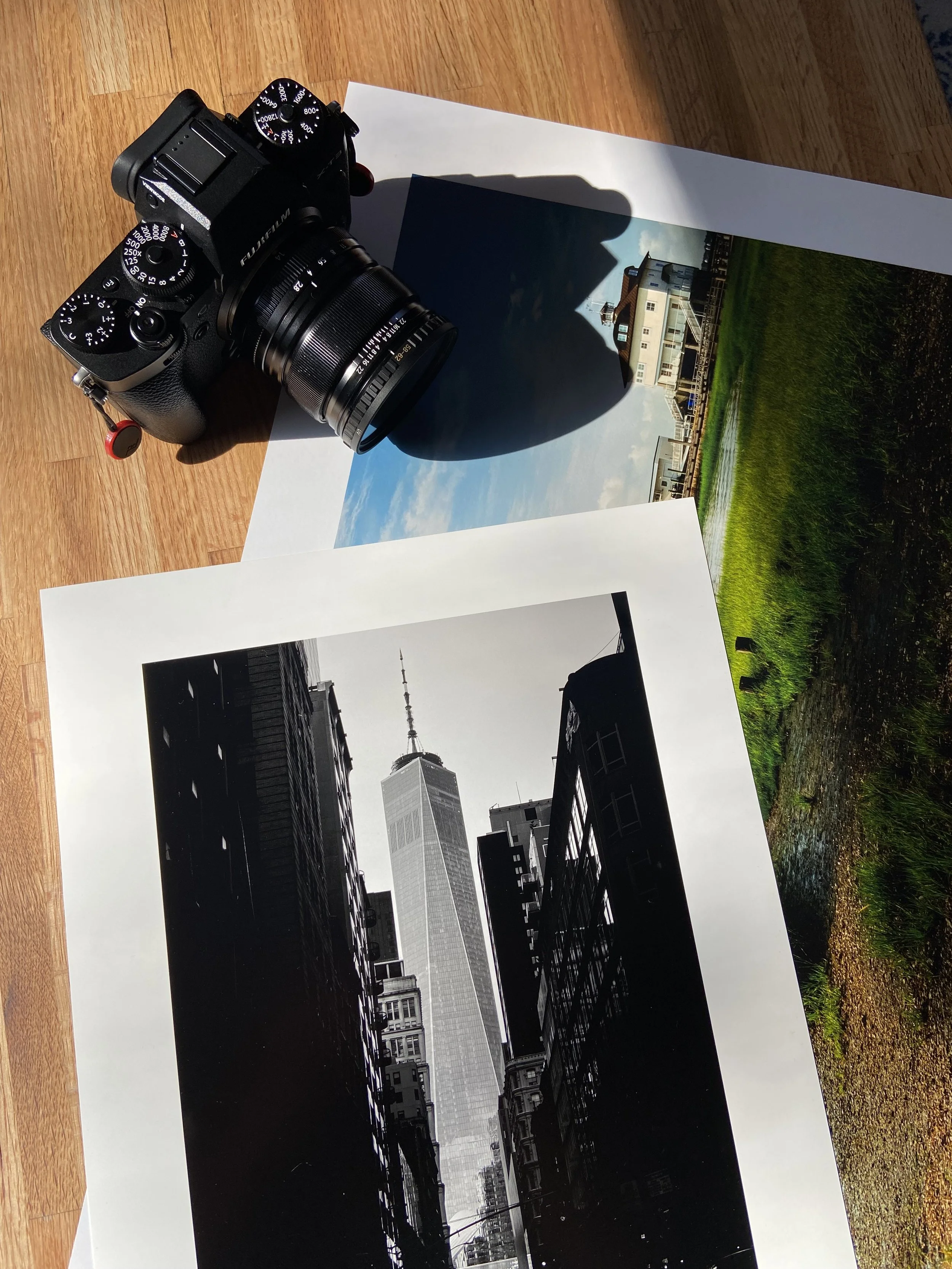
Prior to diving head first into potential poor financial choices and collecting vintage Leica lenses, I had a Fujifilm system with prime lenses. It was a fantastic system - it was light, fairly easy to use, the autofocus was snappy and great. Over time I learned it just wasn’t the system for me. I realized that I did not particularly care for editing Fujifilm files in Lightroom at the time and I did not want to switch software. After downloading sample RAW files from the Leica SL2-S and working with them in Lightroom, I was blown away and hooked. Simple.
Lenses do matter. “Marry the lens, date the body”. This is the phrase I keep hearing lately, and it’s well put. Lenses are the real tools that influence our perspective, the way we draw with light, and the most important component of the system that you interact with. Unfortunately, in my experience, I think the best way to learn what works for you is to just try. I will say though, you can’t learn a lens within a day or a week. It takes a lot of time to really learn a new perspective. Sometimes, you’ll know soon enough though If the lens is just not something you want. 85mm was the focal length for me, a pointless perspective in my opinion.
With all of that experience gained over the years, it will also bring about an undeniable truth: None of it is going to guarantee that you are able to take a good photograph. They’re just tools. Put the time and the reps in. Go pick up a book from Sebastião Salgado, Thomas Hoepker or Ralph Gibson and tell me if the first thoughts or reactions when you experience one of their images were what lens, aperture or camera they were using. With that being said, I’m going to pivot and keep in mind the relationship of collecting tools versus producing work and getting “In the field” or whatever that means. Part of the fun is experimenting and learning and I do plan on capturing that, but there has to be a greater goal.